
Cancer-related fatigue: why sleep does not fix it and how movement helps
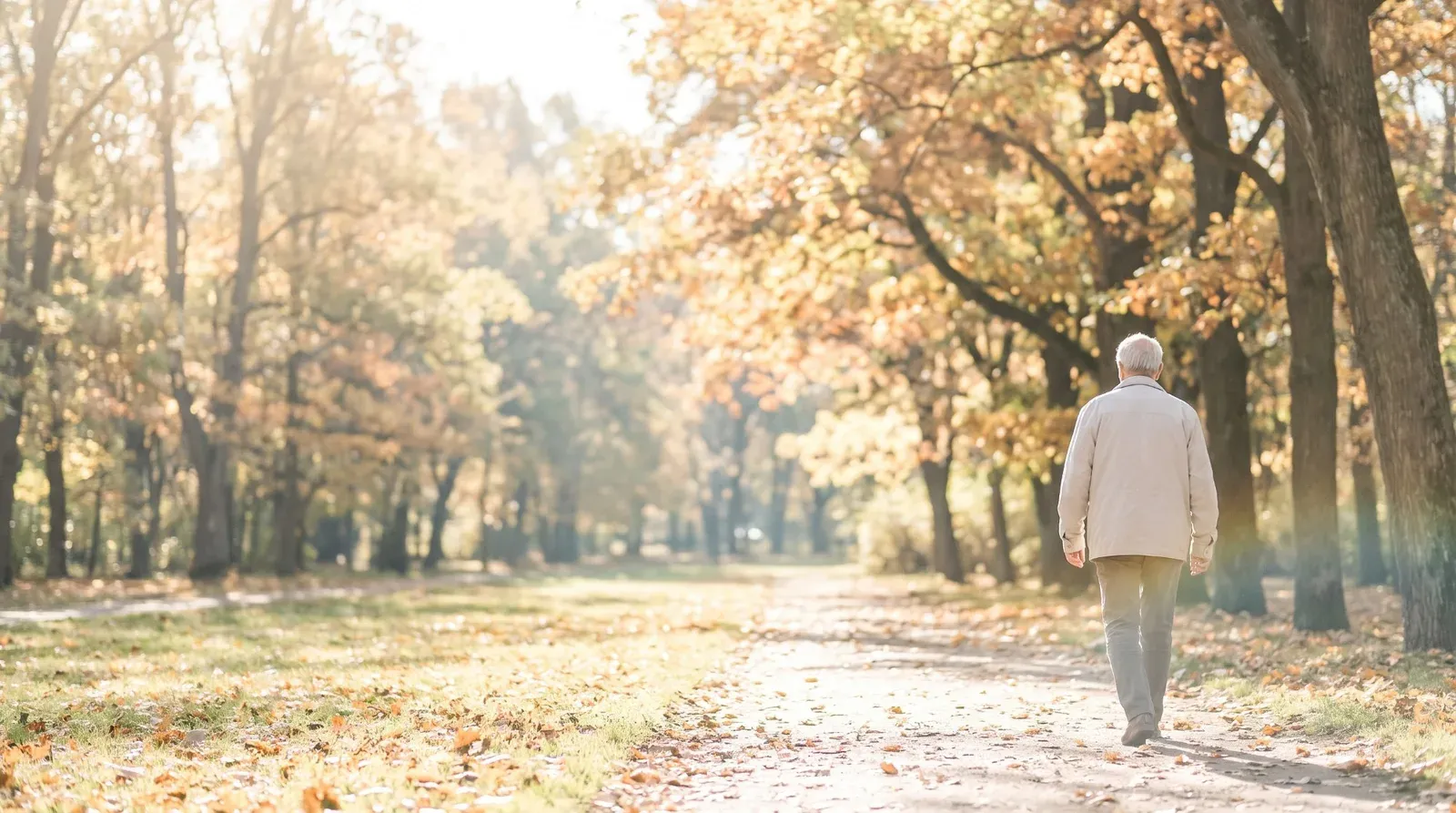
During cancer treatment many people say the same thing: “I sleep, but I don’t get any stronger.” This is not laziness and not a weak character. Doctors call this condition cancer-related fatigue, and it is one of the most common side effects of the disease and its treatment. It can and should be treated.
How cancer-related fatigue differs from ordinary tiredness
Ordinary tiredness comes after exertion and passes with rest. Cancer-related fatigue is a persistent physical, emotional or mental exhaustion that is out of proportion to what a person has done during the day and often does not pass after sleep. It gets in the way of working, socialising and looking after oneself.
How common it is:
- during treatment, 30–60% of patients experience moderate or severe fatigue;
- during chemotherapy or radiotherapy, about 80% report fatigue;
- in 20–30% it persists for months and even years after treatment has ended.
Where it comes from
There are usually several causes at once. Some of them are related to the tumour itself and its treatment, while others are separate conditions that can be corrected:
- anaemia, a low haemoglobin level
- thyroid problems and other hormonal disorders
- pain and poor sleep
- anxiety, low mood, depression
- undernutrition and dehydration
- infections and other coexisting illnesses
- medicines, in particular painkillers and sedatives
- inactivity. Without exercise, muscles weaken and every action takes more effort: a vicious circle.
So the first step is to tell your doctor. Oncologists advise rating fatigue on a scale from 0 to 10: if it is 4 points or more, tests are needed: a blood test, thyroid function, electrolytes, an assessment of sleep and mood. Whatever can be treated is corrected first.
What helps most
Intuition says to lie down and save your strength. Research shows the opposite. A meta-analysis of 113 randomised trials involving more than 11 thousand patients compared different ways of tackling cancer-related fatigue. The best results came from physical exercise and psychological support; the effect of medicines was considerably weaker and not statistically significant.
In its 2024 guideline, the American Society of Clinical Oncology (ASCO) makes strong recommendations for the following approaches:
- physical exercise: aerobic, strength or a combination of the two
- cognitive behavioural therapy (CBT)
- mindfulness programmes
- tai chi or qigong of moderate intensity.
The same guideline does not routinely recommend psychostimulants or most dietary supplements: there is not enough evidence that they help.
What a Ukrainian study showed
Physical therapist and surgeon Artem Mykytiuk studied fatigue in 63 patients aged 60–75 after liver resection for colorectal cancer metastases. Half of them received standard care, and half a six-month physical therapy programme: walking with a gradually increasing pace, strength exercises with dumbbells and resistance bands, balance exercises, and a diet with enough protein. The first three months coincided with chemotherapy, and the sessions continued remotely.
After six months, the overall level of fatigue on the EORTC QLQ-FA12 questionnaire:
- in the physical therapy group it fell by 32.9%
- in the standard care group, by 16.9%.
Every component improved: physical fatigue (−27.6% versus −16.9%), emotional (−25.9% versus −14.6%), cognitive (−32.7% versus −17.5%), as well as the impact of fatigue on daily life (−31.9% versus −15.8%) and on social life (−33.7% versus −16.7%). In other words, movement relieved exhaustion twice as effectively as the usual advice. The study is small and not randomised, but its result agrees with international data.
You can read more about the programme itself in the article on sarcopenia and rehabilitation after liver surgery.
How to start moving when you have no energy
- Talk to your oncologist. Especially if you have bone metastases, low platelets, anaemia, a fever or a risk of falls.
- Start small. 10 minutes of walking already counts as training. The target to work up to gradually is 3–5 hours of moderate activity a week.
- Combine walking with strength exercises. It is this combination that gives the greatest effect.
- Plan your day. Do the important things when you have the most energy, accept help, but do not lie down all day.
- Protect your sleep. 7–8 hours at night, daytime naps of no more than 30 minutes, no coffee in the 4 hours before bed.
When to seek help urgently
If fatigue comes with breathlessness at rest, chest pain, confusion, dizziness or a fall, that is a reason for emergency care. If you cannot get out of bed all day, you have developed a fever, or you cannot eat and drink, call your doctor today.
If fatigue is getting in the way of your life, discuss it with an oncologist. You can book by phone on the numbers in the contacts section.
Sources
- Mykytyuk A. I. Correction of structural and functional manifestations of sarcopenia using physical therapy in elderly people after liver resection due to colorectal metastases. Rehabilitation and Recreation. 2025;19(2):32–42. doi.org/10.32782/2522-1795.2025.19.2.3 (CC BY-NC-ND 4.0)
- Mykytyuk A. I. Study of the dynamics of muscle weakness in elderly patients after surgical treatment of colorectal metastases under the influence of physical therapy. In: The Functioning of Healthcare in the Globalized World. Baltija Publishing; 2025. doi.org/10.30525/978-9934-26-614-0-7 (free access)
- Bower J. E. et al. Management of Fatigue in Adult Survivors of Cancer: ASCO–Society for Integrative Oncology Guideline Update. Journal of Clinical Oncology. 2024;42:2456–2487. pmc.ncbi.nlm.nih.gov/articles/PMC12082589/ (free access)
- National Cancer Institute. Fatigue (PDQ®) — Health Professional Version. www.cancer.gov/about-cancer/treatment/side-effects/fatigue/fatigue-hp-pdq (free access)
- Mustian K. M. et al. Comparison of pharmaceutical, psychological, and exercise treatments for cancer-related fatigue: a meta-analysis. JAMA Oncology. 2017;3(7):961–968. pubmed.ncbi.nlm.nih.gov/28253393/ (abstract)
This article is for information only and does not replace a consultation with a doctor. The treatment approach is decided by a doctor after an in-person examination and assessment.
More worth reading
More explanations, advice and answers from the doctors of the clinic.
 18/11/2026Preparation6 min readFast recovery after gynaecological surgery: how the ERAS programme works
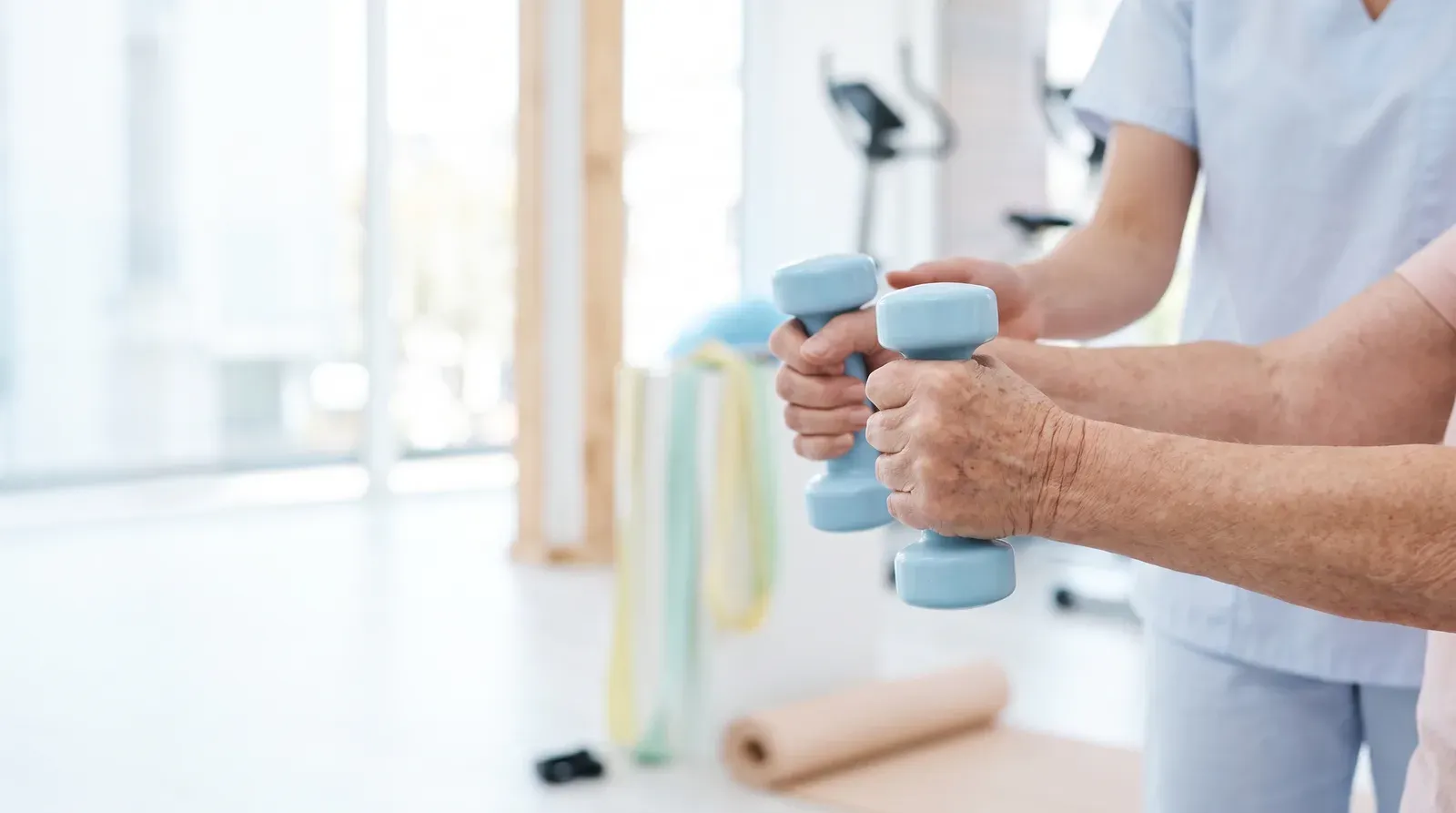 18/11/2026Advice7 min readSarcopenia and rehabilitation after liver surgery: how to regain muscle strength
 18/11/2026Technology6 min readColorectal cancer liver metastases: when surgery is possible
 18/11/2026Technology4 min readRectal cancer: when surgery on the bowel can be avoided
- Preparation18/11/20266 min readFast recovery after gynaecological surgery: how the ERAS programme works
- Advice18/11/20267 min readSarcopenia and rehabilitation after liver surgery: how to regain muscle strength
- Technology18/11/20266 min readColorectal cancer liver metastases: when surgery is possible
- Technology18/11/20264 min readRectal cancer: when surgery on the bowel can be avoided